

Washington Noise, Wall Street Silence: Why the Shutdown Will Slow the Housing Market, Not Stocks—Yet
However, beneath the surface of the resilient S&P 500, a different story is unfolding in the housing market. Experts warn that while a short shutdown may be a "blip," a prolonged failure to reopen the government could severely disrupt the process of buying and selling homes, especially for a large segment of the population.
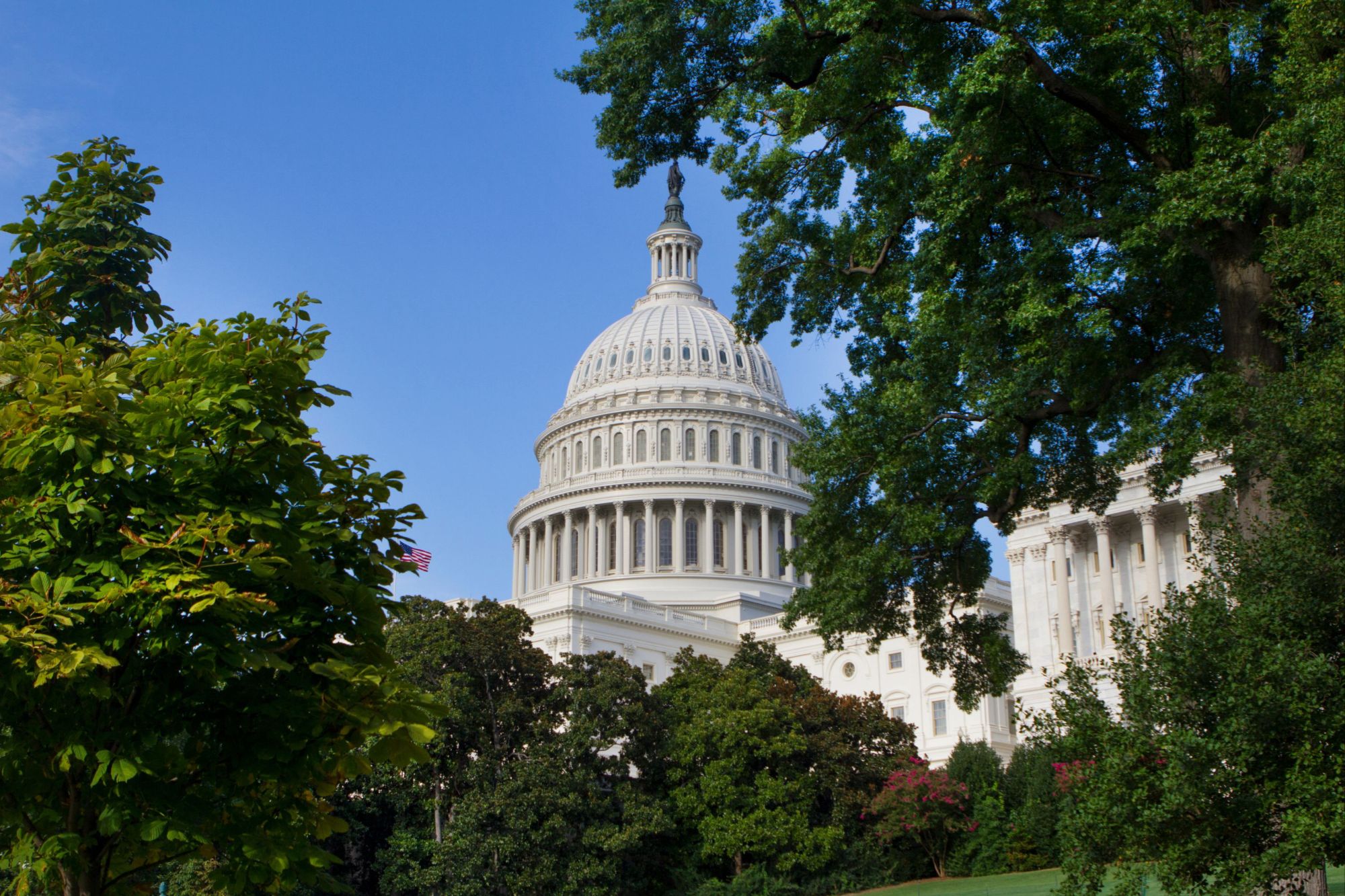
The Stock Market's Historical Immunity
Historically, the stock market has demonstrated a remarkable ability to look past government shutdowns. Past closures have had a minimal, often short-lived, impact on equity performance. The general consensus among investors is that these political standoffs are temporary and rarely alter the fundamental drivers of the market: corporate profits, the economic outlook, and interest rate policy.
In the current environment, this trend appears to be holding. Investors remain focused on the broader economic picture, which includes optimism about future interest rate cuts and the continued momentum of key sectors. Any initial volatility stemming from the uncertainty has been quickly absorbed. Furthermore, the shutdown itself causes a delay in the release of critical economic data (like jobs reports), leaving both the Federal Reserve and investors in the dark—a condition that can sometimes temporarily tamp down market-moving fears.
In short, for now, the stock market is treating the shutdown as noise, confident in a swift resolution and the market's own underlying strength.
The Housing Market's Growing Pain Points
The Looming Risk
For the stock market, the risks of a shutdown are mostly indirect: a sustained closure could noticeably drag down GDP growth or raise the specter of a debt ceiling crisis. But for the housing market, the threat is concrete and immediate. As the closure stretches from days into weeks, the cumulative effect of delayed loans, suspended flood insurance, and verification bottlenecks could dampen sales activity, reduce housing demand, and stall transactions—a significant headwind for an already challenging real estate environment.
While Wall Street remains sanguine, the daily toll on prospective homeowners and the broader real estate sector is a powerful reminder that not all parts of the economy are equally insulated from the turmoil in Washington. The longer the government remains shuttered, the greater the chance that the housing market's woes could translate into wider economic drag that even the bullish stock market will eventually be unable to ignore.
Categories
Recent Posts










GET MORE INFORMATION